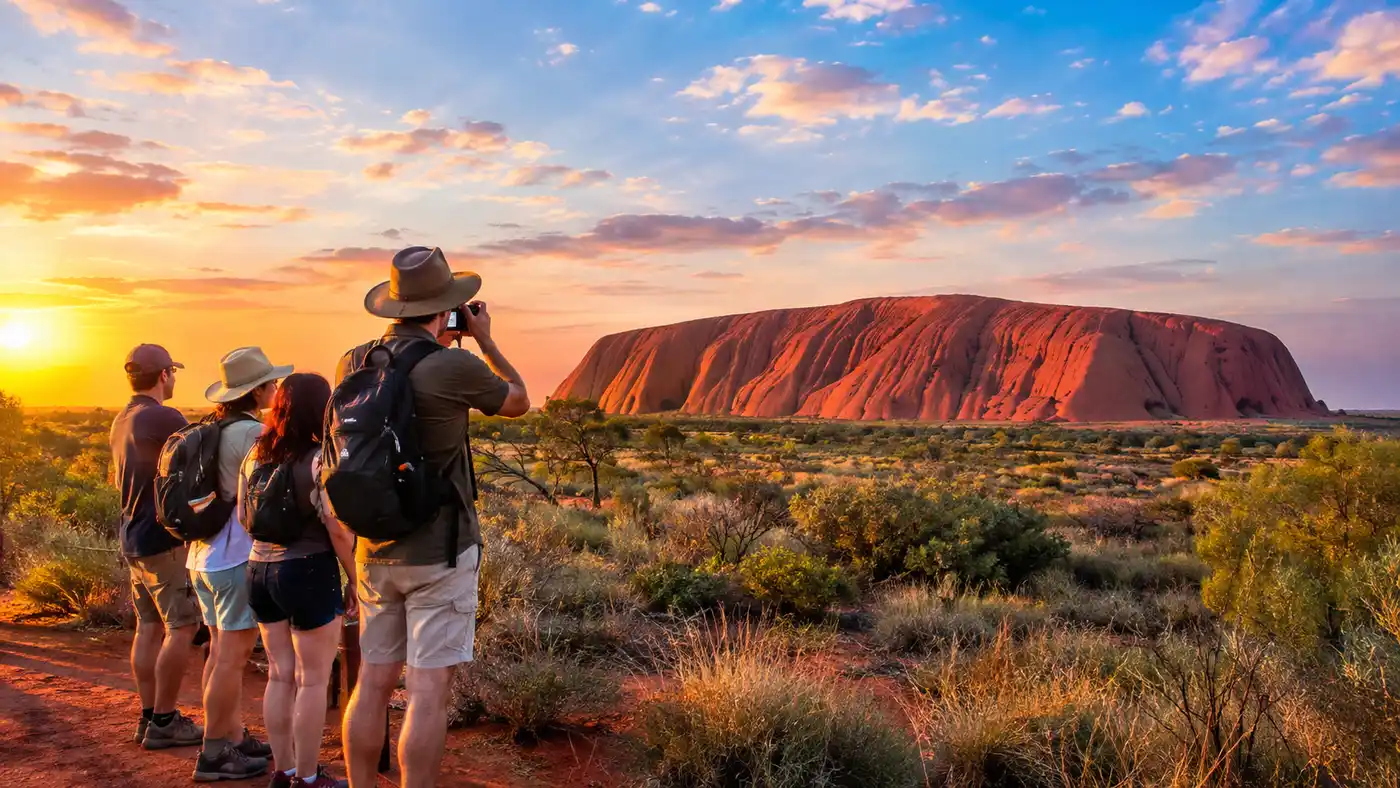
Things to Do at Uluru: Tours, Activities, and Experiences
You expect it to be big. Everyone tells you that before you fly into the red dirt strip at Yulara, but stepping off the tarmac into that dry, baking air and seeing the sandstone monolith break the flat horizon hits differently. Most people arrive thinking they will snap three photos at sunset and spend the rest of the weekend lounging poolside at the resort. That is a mistake. There are so many distinct things to do in uluru that three days barely scratches the surface, especially once you realize the desert shifts character almost hourly.
From pedaling a rented cruiser around ancient gorges before the heat drops like an anvil to listening to Anangu stories under millions of stars, this place demands movement. Some experiences cost a small fortune, while others require nothing more than a national park pass and a pair of worn-out trail shoes. Let us walk through what is genuinely worth your time, what you can skip, and how to pace yourself out in the desert.
Book your australia uluru tour experience:
Classic Things to Do in Uluru: Walking, Biking, and Segways
The smartest way to understand the scale of this monolith is to put your feet on the red earth beside it. Walking the entire 10.6-kilometer circuit along the Uluru base walk takes about three and a half hours if you stop to read the cultural boards and stare into the waterholes. You will notice textures you never see from the road: fluted sandstone ribs, black streaks left by seasonal waterfalls, and quiet caves where Anangu children learned hunting traditions thousands of years ago. Start at first light. By 10:00 AM, the radiant heat pushing off the rock face feels like someone opened an oven door directly in front of your face.
If walking ten kilometers sounds miserable in 35-degree weather, rent a bicycle from Outback Cycling near the cultural centre. They rent sturdy mountain bikes by the hour, usually charging around $60 for three hours. Coasting along the sandy dirt tracks with the wind cooling your arms cuts the transit time down to two hours, leaving plenty of breath to admire the Mutitjulu Waterhole. Watch out for sandy patches on the southern side; hitting deep sand at full speed will toss you sideways into the spinifex.
Uluru Segway tours offer another weirdly fun alternative. You glide along the base path in a small group led by an interpretive guide. It looks slightly ridiculous to see a convoy of tourists in high-vis vests rolling past sacred sites on electric two-wheelers, but honest travelers admit it saves tired knees. The guides are deeply knowledgeable about local flora and geological history, sharing details you would walk right past on your own.
Note: Respect the signs marking sacred sites along the base where photography is forbidden by traditional owners. These cultural protocols are strictly observed, so put your camera in your daypack when instructed.
Scenic Flights and Skydiving: Uluru Attractions from Above
You do not grasp how isolated Uluru is until you gain altitude. An Ayers Rock helicopter flight lifts you above the flat spinifex plains, showing how the rock connects visually to Kata Tjuta resting 45 kilometers to the west. From 1,000 feet up, Uluru looks like the broad back of an ancient whale resting on an ocean of red sand. Short 15-minute hops run around $175 per passenger, though longer flights covering both rock formations offer significantly better value for the money spent.
For genuine adrenaline, skydiving over the Central Desert is unmatched. Skydive Uluru operates tandem jumps dropping from 12,000 feet. The freefall lasts about 45 seconds, during which your brain struggles to process the surreal sight of the world's most famous monolith rushing upward toward your goggles. Floating beneath the parachute canopy afterward is dead quiet, drifting through crisp outback air with 360-degree views stretching all the way to Mount Conner on the horizon.
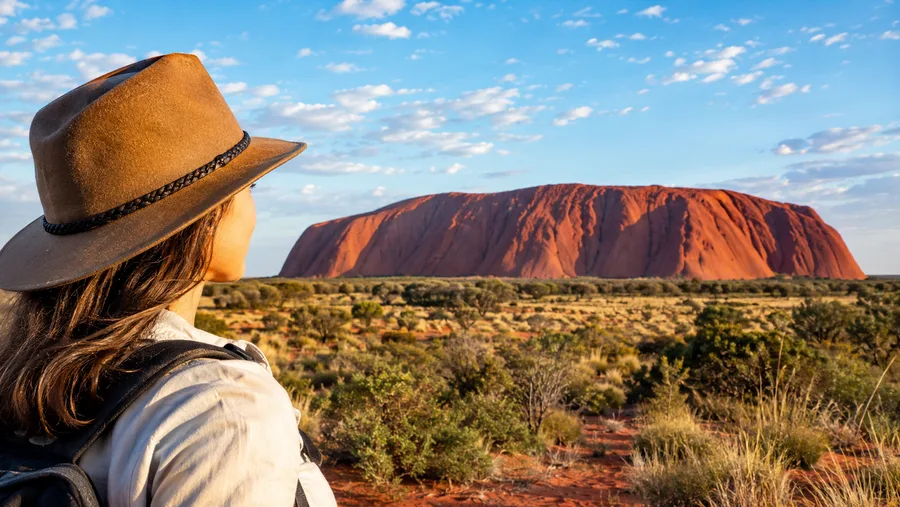
Dawn to Dusk: Best Things to Do in Uluru at Sunrise and Sunset
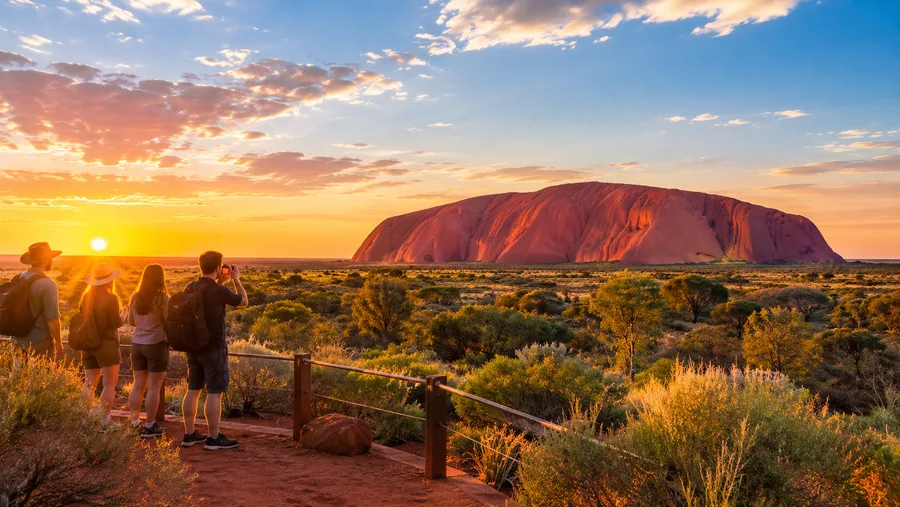
Every visitor gravitates toward the viewing platforms twice a day. Sunlight changes the iron-rich surface from dull ochre to vivid violet, blazing orange, and deep charcoal within twenty minutes. The official Uluru car sunset viewing area fills up fast with campervans, tour buses, and rental sedans. People unpack fold-out camping chairs, pop cheap sparkling wine, and wait for the rock to catch the final rays. It feels like an outdoor festival without music.
Sunrise at Talinguru Nyakunytjaku requires an early alarm, often around 5:15 AM in peak travel months. Bring a warm fleece jacket because desert mornings bite deep before the sun breaks. As light creeps across the valley, the shadow of Uluru shrinks, revealing the vast desert floor below. It is arguably more dramatic than sunset, mostly because the crowd tends to speak in hushed whispers rather than clinking wine glasses.
Pro tip: Skip the main sunset car park on your second evening and head to the sunrise viewing platform instead. The sun sets behind you, lighting up Kata Tjuta in deep purple tones with almost no crowds around.
To experience dawn at a slower pace, Uluru camel tours take visitors through the dunes on the back of dromedaries. The camel farm sits just outside the resort complex. You mount up in the dark, swaying rhythmically in single file while the desert wakes up around you. The guides share stories about early Afghan cameleers whose animals shaped outback logistics back in the 1800s. Afterwards, you get warm damper with golden syrup and hot billy tea back at the yards.
- Early departure: Arrive at viewing car parks at least 45 minutes before the official sunrise time to claim a spot along the timber railings.
- National park pass: Keep your digital park pass saved to your phone photos; rangers scan vehicles at the park entry gate before dawn.
- Layered clothing: Dress in three separate layers between May and September, as temperatures regularly sit around 4 degrees Celsius before dawn.
- Insect protection: Pack a fine mesh head net for late afternoon sunset sessions when bush flies become relentless.
Book your australia uluru tour experience:
Uluru at Night: Dinners, Lights, and Desert Stars
Darkness in the Red Centre is pitch black. Zero light pollution allows the Milky Way to arc across the sky like a spilled bucket of silver paint. The Sounds of Silence Uluru dinner remains the benchmark desert dining experience. You begin on a remote sand dune with canapes and chilled beer while the sun disappears, followed by a buffet featuring kangaroo, barramundi, and bush tomato salads. Once the lanterns blow out, a resident star talker uses a high-powered beam to trace constellations, pointing out southern skies, the Southern Cross, and the dark emu shape recognized by First Nations astronomy.
Modern evening events have elevated the night landscape. Bruce Munro's massive installation, Field of Light Uluru, spans over 50,000 frosted glass spheres connected by fiber optics. Walking along the narrow dirt trails between glowing stems feels like wandering through an alien flower field. More recently, Wintjiri Wiru introduced a choregraphed drone show above the desert canopy. Over 1,000 lighted drones combine with laser projections and narration to depict ancient Mala ancestral stories across the dark sky, which honestly feels groundbreaking for regional cultural tourism.
Independent stargazers can simply drive fifteen minutes away from the resort streetlights to any pull-off bay along the Lasseter Highway. Spread out a blanket on the warm bonnet of your rental car and look straight up. Shooting stars cross every couple of minutes, and satellite trails drift past constantly. Uluru astro tours bring along computer-guided telescopes for closer looks at Saturn's rings and distant nebulae, which kids tend to find fascinating.
Choosing Your Uluru Activities: Tour Comparison
Picking activities comes down to your budget and fitness. A self-guided weekend can stay relatively cheap if you bring groceries, while booking multiple guided dinners and flights adds up fast. Below is a realistic breakdown of typical timings and expenses for major activities around the park.
| Activity | Duration | Approx Cost (AUD) | Key Highlight |
|---|---|---|---|
| Self-Guided Base Walk | 3 to 4 hours | Free (with park pass) | Cave art, waterholes, close rock access |
| Outback Cycling Bike Hire | 3 hours | $60 per adult | Easy pace around the 10.6km perimeter |
| Sunrise Camel Trek | 2.5 hours | $145 per adult | Desert dunes, billy tea, freshly made damper |
| Scenic Helicopter Flight | 15 to 30 mins | $175 to $320 | Aerial scale of Uluru and Kata Tjuta |
| Sounds of Silence Dinner | 4 hours | $245 per adult | Bush tucker buffet and guided astronomy |
| Field of Light Pass | 2 hours | $48 per adult | Illuminated pathways after dark |
Navigating between these spots is straightforward if you have a hire car. If you arrived without wheels, the Uluru Hop On Hop Off bus runs regular circuits between Yulara hotels, the cultural centre, sunrise points, and the base walk car parks. It saves you the stress of finding parking during crowded sunset windows, though you are tied to their scheduled timetable.
Reserve high-demand dinners and small-group camel rides four to six months ahead if you plan to visit between June and August. That period brings perfect blue skies and daytime highs around 22 degrees Celsius, drawing huge crowds from southern cities trying to escape cold winter rain. Shoulder months like April or October offer warm swimming weather and far fewer tour groups crowding the boardwalks.
- Book dinners first: Evening dining experiences have strict seat caps and frequently sell out months in advance.
- Carry cash alternative: Most operators take contactless card payments, but carry a backup physical card since mobile signal drops out near the rock.
- Hydration rule: Pack at least one liter of water per hour of outdoor exercise; park water stations allow free bottle refills near base car parks.
- Fly protection: Purchase fly repellent lotion containing DEET at the resort supermarket if you forget your head nets.
Frequently Asked Questions about things to do in uluru
Can you climb Uluru today?
No, the climb permanently closed in October 2019 out of respect for Anangu culture and safety. Visitors now explore the monolith along ground-level base walks and guided walking tracks.
How many days are needed to see the main attractions?
Three full days provide enough time to complete the base walk, explore Kata Tjuta's Valley of the Winds, view sunrises and sunsets, and attend an evening dining experience without rushing.
Do you need a car to do activities around Uluru?
A car offers freedom and flexibility, but it is not mandatory. Most organized tours include hotel transfers from Ayers Rock Resort, and the local hop-on hop-off shuttle covers major national park trailheads.
What should I pack for daytime tours?
Bring sturdy closed-toe shoes, broad-brimmed hats, high-SPF sunscreen, sunglasses, and a refillable water bottle. A lightweight windbreaker works well for chilly desert dawns.
Quick Reference
- Uluru Base Loop: 10.6 km flat walk, takes 3 to 4 hours.
- Park Entry Fee: $38 per adult for a 3-day pass.
- Prime Seasons: May to September for cool hiking weather.
- Peak Crowds: Sunset viewing areas 45 minutes prior to dusk.
Book your australia uluru tour experience:
The Bottom Line
Plan your schedule around the sun rather than hotel clocks. Take the middle of the day slow, hide out in the air-conditioned gallery at Sails in the Desert, read a book, and save your physical energy for the magic hours when the light softens across the plains. Grab your park pass, lace up your runners, and treat this ancient landscape like the living, sacred cultural space that it truly is.
Read more about australia uluru tour.